Blood Sugar Swings and the Nervous System: Finding Steady Calm
Blood Sugar Swings and Nervous System Symptoms
Have you ever felt shaky, dizzy, or panicky for “no reason”?
Sometimes it’s not just stress—it’s your blood sugar.
When blood sugar rises and crashes quickly, your body experiences it as a threat. The nervous system rushes to stabilize you. Your heart may race, your mind may spiral, and you might feel like you’re in danger even when you’re safe.
If you often feel wired or wiped out without knowing why, take the Stress Loop Quiz to see how your system may be cycling through stress and depletion.
In simple terms
Blood sugar swings activate your body’s survival system.
When glucose drops too fast, the brain interprets it as a shortage of fuel, triggering the release of adrenaline and cortisol—the same chemicals released during stress.
That’s why low blood sugar can mimic anxiety or even panic. You might feel:
- Heart pounding or fluttering
- Sudden irritability or brain fog
- Cold sweats or trembling
- Dizziness or blurred focus
- The sense that “something’s wrong”
Many people mistake these sensations for emotional instability, but they’re physical reactions to an internal imbalance.
Learning to recognize this pattern helps you respond with care, not fear.
How Blood Sugar Affects Your Nervous System
Your nervous system constantly scans for safety. When your blood sugar fluctuates sharply, it perceives danger—fuel uncertainty. The vagus nerve, which supports digestion and calm, slows down. Meanwhile, your sympathetic system (fight, flight, or freeze) activates.
That’s why after a sugar crash, you might feel both exhausted and unable to rest. You can learn more about this cycle in Polyvagal Theory Explained Simply.
When these surges happen often, your body becomes conditioned to stay alert, even between meals. Over time, this can feed patterns of anxiety and burnout. For some, it even resembles the constant “edge” described in Why Do I Always Feel Ready to Jump Out of My Skin for No Reason?.
Gentle Ways to Steady Blood Sugar and Calm Your System
1. Pair carbohydrates with protein or fat
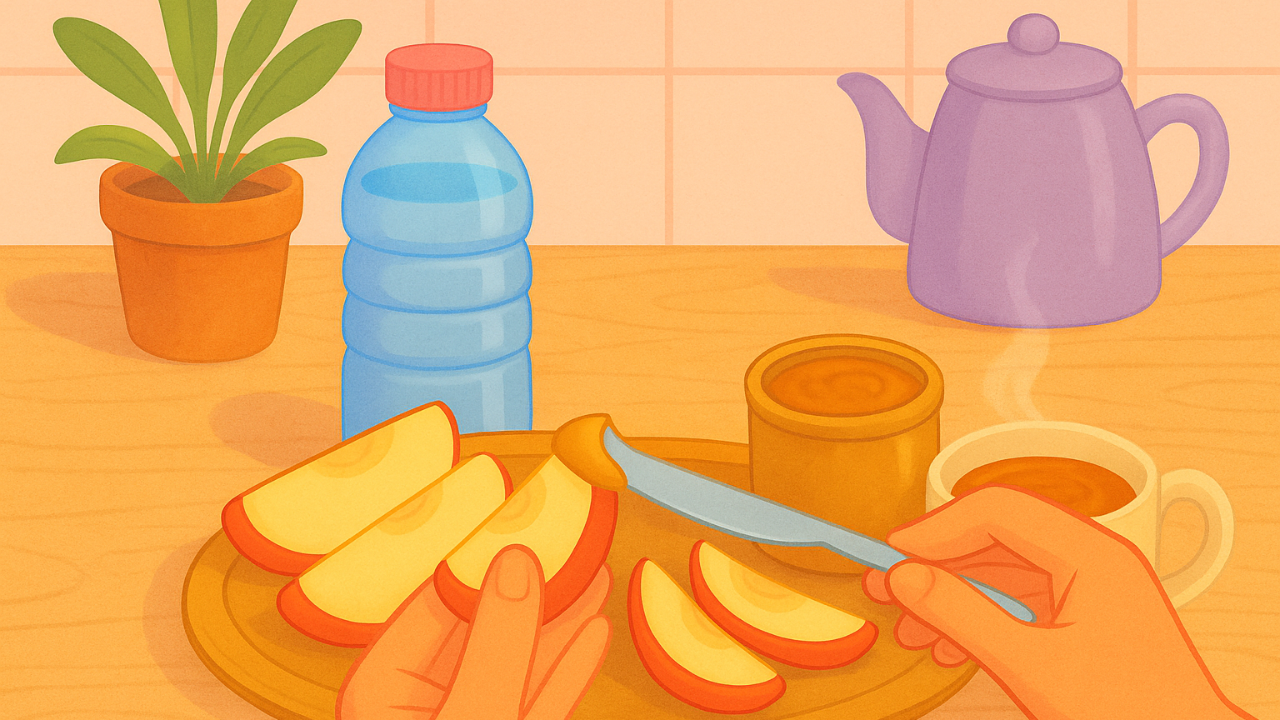
Instead of cutting sugar entirely, try pairing a banana with nut butter or fruit with yogurt. It slows glucose release and reduces the adrenaline surge that can follow a quick spike.
2. Eat before you feel panicky
If you’re prone to mid-morning or afternoon dips, plan a snack before symptoms appear. This proactive step can prevent the rollercoaster that often leads to a sense of “something’s wrong.”
3. Hydrate consistently
Dehydration makes blood sugar swings feel worse. If you often forget to drink water, see Hydration for Nervous System Regulation: How Water Helps You Feel Safe Again.
4. Try grounding instead of pushing through
When you notice dizziness, shakiness, or irritability, pause. Press your feet into the floor, name three things you see, and breathe normally. Small orienting steps can help re-signal safety, as described in Grounding During Panic Without Talk Therapy.
5. Make your mornings gentle
Blood sugar tends to drop after waking. Many people find that slow, body-based morning routines—like those in Somatic Tools for Morning Anxiety—help prevent early crashes and support steadier energy throughout the day.
A 7-Day Gentle Plan to Support Stability
Day 1–2: Add one protein-rich snack between meals.
Day 3–4: Keep a small fruit + protein combo nearby for “shaky” moments.
Day 5: Practice a short vagus nerve breathing sequence after meals.
Day 6: Track how long it takes for calm to return after eating.
Day 7: Reflect on patterns; notice when your energy feels most balanced.
When It Feels Like Too Much
If stabilizing feels impossible, that’s okay. Blood sugar, hormones, and the nervous system are deeply connected. You’re not failing—your system is asking for steadiness.
You can start with one small step, like a slow exhale or a sip of water. Many people find that repeating a 10-Minute Nervous System Reset for Overwhelm helps their body recover faster from dips and spikes.
Common Sticking Points
“I forget to eat until I crash.”
Set gentle reminders or link meals to existing habits—like eating when you make your coffee.
“I’m afraid to eat because I associate food with panic.”
Consider reading The Gut-Brain Connection and Trauma, Simply Explained to understand how digestion and emotional safety intertwine.
“I feel tired all the time, not just after sugar.”
This could be part of chronic dysregulation, not just nutrition. Building Resilience to Withstand the Storms of Stress explores how your body restores stability over time.
FAQs
1. Can low blood sugar cause panic attacks?
Yes. Sudden drops can trigger adrenaline release, leading to symptoms like trembling, racing heart, or a sense of doom—similar to What Are Panic Attacks?.
2. Why do I get anxious after sweets?
A rapid rise in glucose followed by a sharp crash can feel like anxiety. Balancing meals and snacks helps prevent this.
3. Can hydration or electrolytes help?
Yes. Balanced fluids support blood volume and stabilize both energy and mood.
4. Is this just psychological?
No. Physical imbalances can affect emotional regulation. Mind and body work together, as seen in The Connection Between Psychological And Physical Pain.
5. Can nervous system exercises really help?
They may. Practices that tone the vagus nerve and restore interoceptive awareness help your body register safety again.
More Gentle Reads
Disclaimer: This article is educational and not medical advice. If you have health concerns, consider speaking with a qualified professional.
Discover Your Vagal Tone
Find out how dysregulated your nervous system is and get your personalized roadmap to feeling calm, energized, and in control