Gentle Breath Alternatives For Sleep When Deep Breathing Fails
If you have ever tried deep breathing at night and felt your whole system become even more alert, you are not doing anything wrong. Many sensitive bodies respond this way. When your nervous system has learned to brace for danger, big breaths can feel like pressure. This often shows up in people who relate to patterns described in Why do I always feel ready to jump out of my skin for no reason?
Before you go further, you can take the Stress Loop Quiz to see which pattern keeps your body awake at night.
You do not have to force big inhales to rest. There are much gentler options that work with your body instead of against it.
Quick Answer
Deep breathing sometimes overstimulates a wired system. Gentle breath alternatives use smaller exhales, quieter rhythms, or comfort-based positioning to help your body soften without effort. Methods like tiny nose sips, pillow breathing, sighing without structure, and side-lying release can lower pressure on your chest and reduce adrenaline. These work because they do not make the body feel watched, forced, or expanded.
Why Deep Breathing Can Make You More Awake
For some people, deep breathing feels like work.
It stretches the chest.
It increases awareness of the heartbeat.
It can even trigger a startled feeling similar to what happens in panic spikes described in What Are Panic Attacks? Why Do They Happen?
If your body has been trained to stay vigilant, intense inhales can feel unsafe.
This is not a personal failure. It is a learned protective pattern.
Your system simply needs smaller, kinder entry points.
A gentle approach like the unforced methods shared in Why Deep Breathing Makes Me More Anxious, And What To Do Instead may also resonate with you.
If waking up in the middle of the night is something you're struggling with, Stop 3 AM Wakeups With a Gentle Nervous System Plan might be a supportive resource.
Gentle Breath Alternatives That Actually Help At Night
Micro Exhales
This is the smallest exhale you can make.
No technique. No structure.
Steps
- Get into a comfortable position.
- Let your inhale happen by itself.
- Breathe out with the tiniest puff of air.
- Pause for a moment.
- Repeat for one minute.
This often helps bodies that feel overloaded by instructions.
Pillow Breathing
Useful for anyone whose breath gets tighter when they pay attention to it.
Steps
- Hug a soft pillow.
- Let your chest and belly melt into it.
- Breathe naturally without trying.
- Focus only on the weight of the pillow.
Your system responds to pressure and softness more than rules.
Whisper Counting
Instead of counting your breath, count while you exhale.
Steps
- Inhale however your body wants.
- Exhale with a gentle whisper of the number “one.”
- On the next exhale whisper “two.”
- Continue until ten, then loop back around.
This shifts attention from your breath to a soothing rhythm.
Side-Lie Release
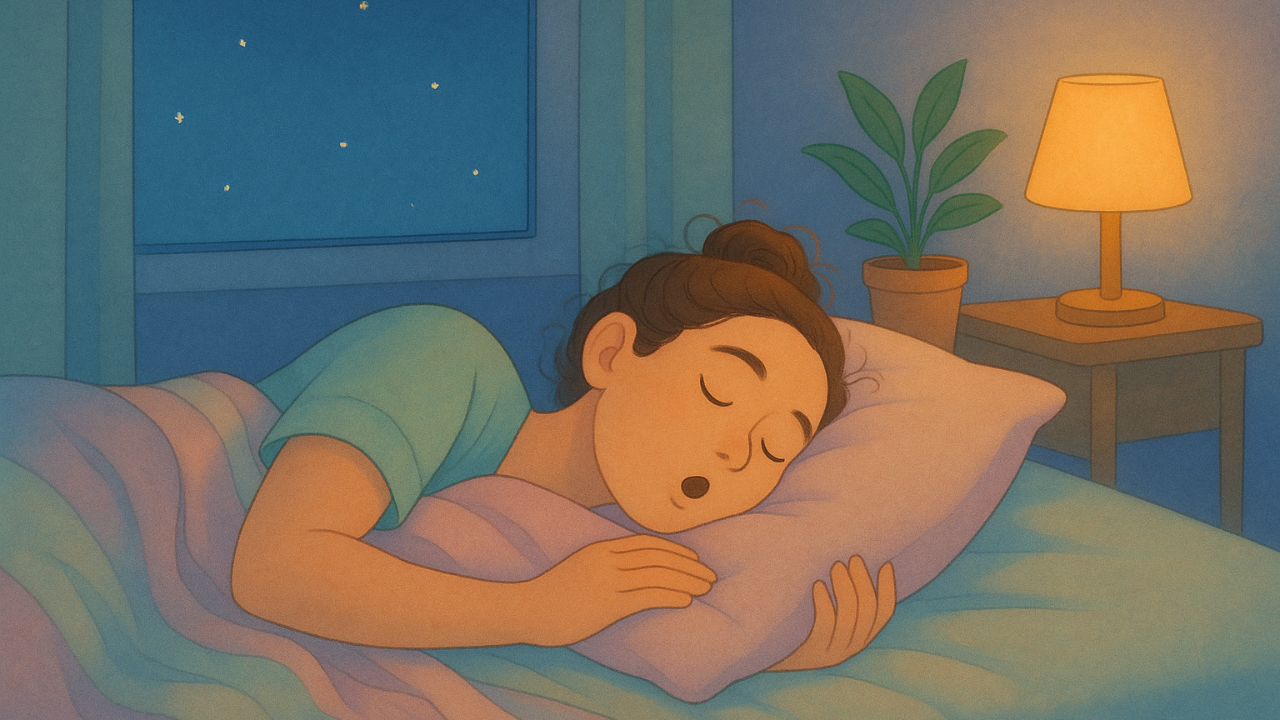
This position can feel safer than lying flat.
Steps
- Lie on your side.
- Let your belly fall toward the mattress.
- Rest one hand under your cheek.
- Allow easy, unforced breathing.
This position is often relieving for people who experience physical tension linked to emotional patterns similar to those described in The Connection Between Psychological And Physical Pain.
Tiny Nose Sips
Designed for nights when your body feels too heavy, numb, or frightened.
Steps
- Inhale a tiny sip of air through your nose.
- Relax your mouth open.
- Let the exhale fall out naturally.
No structure. No activation. Only small sips.
If you have ever checked out or gone numb during stress, you may find this method helpful since it requires almost no effort. You can learn more about numbness patterns in Why Your Body Goes Numb During Stress.
Variations For Different Nervous System States
If You Feel Wired Or Startled
Try
- Micro exhales
- Whisper counting
- Side-lie release
These help quiet the startled reflex described in Polyvagal Theory Explained Simply. You may also want to read more on Why Heart Palpitations Feel Worse at Night, A Nervous System View.
If You Feel Numb Or Heavy
Try
- Tiny nose sips
- Soft orienting, such as noticing five gentle colors in your room
- Pillow breathing with warm pressure
Your system may need presence before relaxation.
A 7-Day Mini Plan
Day 1: Practice micro exhales for one minute.
Day 2: Try pillow breathing for three minutes.
Day 3: Whisper count from one to ten.
Day 4: Side-lie release for five minutes.
Day 5: Tiny nose sips before bed.
Day 6: Mix any two gentle methods.
Day 7: Do the easiest version of your favorite one.
If you want a full nervous system reset approach, you may like the simple steps in How To Reset Your Nervous System After Trauma.
Common Sticking Points
“I get more anxious when I try to breathe deeply.”
This is common. Your system may interpret expansion as activation. Use smaller breaths.
“I feel silly doing gentle breaths.”
Your body is responding to the safest option available. Nothing here is silly.
“My body jolts awake when I start to relax.”
This is a protective reflex. Try the side-lie release or pillow breathing.
“I cannot remember the steps.”
Pick just one method and practice it nightly.
“I get scared when I close my eyes.”
Leave them half open until your body feels safe enough to soften.
You can take the Stress Loop Quiz for guidance on what your system may be trying to protect you from.
FAQs
1. Why does breathwork wake me up instead of calming me?
Your body may interpret chest expansion as alertness. Smaller breaths may help.
2. How long until these work?
Some people feel a shift in one to three minutes. Others need more time. Both are normal.
3. Is breathwork enough on its own?
It can support rest but does not replace professional guidance if you have ongoing concerns.
4. Can I combine these with grounding?
Yes. You may find comfort in pairing these with gentle grounding steps like those in
Grounding During Panic Without Talk Therapy.
5. Are these safe if I have trauma history?
These are low-pressure practices, but if anything feels too intense, stop and try a smaller version.
More Gentle Reads
If nights are challenging, you may find these resources supportive:
If you want clearer guidance on what your body is doing at night, take the Stress Loop Quiz.
Disclaimer: This article is educational and not medical advice. If you have health concerns, consider speaking with a qualified professional.
Discover Your Vagal Tone
Find out how dysregulated your nervous system is and get your personalized roadmap to feeling calm, energized, and in control