Self-Holding Techniques for Emotional Safety
When emotions spike, it can feel like your whole body turns into a live wire. Your chest tightens, your thoughts race, or you go strangely blank. In those moments, it is very hard to remember that you are actually safe right now.
Self holding is a way to offer your nervous system something it often never got: steady, kind physical containment. A clear sense of “I am here with me, and I am not going anywhere.”
If you want a clearer picture of your own stress patterns, you can take the Stress Loop Quiz.
A gentle summary
Self holding techniques use your own arms, hands, and body weight to create a sense of containment and emotional safety. The steady pressure and predictable contact may signal to your nervous system that it is okay to soften a little. Many people find these practices help with panic, emotional flashbacks, dissociation, and that “on edge for no reason” feeling.
If panic is part of your story, you might pair self holding with a simple grounding sequence you can use any time panic flares, without needing to talk it all out.
Go slowly. Stop if anything feels too intense. You are not doing it wrong if your system needs very small steps.
Why Self Holding Helps the Body Feel Safer
When you are overwhelmed, your survival system tends to run the show. Your muscles brace. Your breath shortens. Your mind scans for danger or shuts down entirely. This is not you being “dramatic.” It is your nervous system trying to protect you.
Self holding works because it:
-
Gives your brain a clear map of where your body begins and ends
-
Offers gentle pressure that many bodies interpret as safe and soothing
-
Creates a “container” for emotions so they feel less like a flood
If you often feel like you are ready to jump out of your skin for no obvious reason, you might recognize yourself in this explanation of why the body can feel constantly on alert.
Self-holding does not erase trauma or replace therapy. It simply gives your body something stabilizing to lean on while you move through life.
Three Core Self-Holding Positions
You can do these seated, standing, or lying down. Let breath be natural. Adjust anything that doesn’t feel good.
1. The Heart–Side Body Hold
-
Sit or stand with your feet supported.
-
Place one hand flat over the center-left of your chest, wherever feels comforting.
-
Place the other hand on your lower ribs or side body.
-
Notice the warmth of your hands and any small shifts in your breath.
This can be grounding when your heart is pounding, when you feel shaky, or when emotions feel like they might spill over. If panic is familiar, you could experiment with one minute of this hold before using any other tools you already have for panic attacks.
You are not trying to force yourself to “calm down.” You are simply letting your body know, “I am here.”
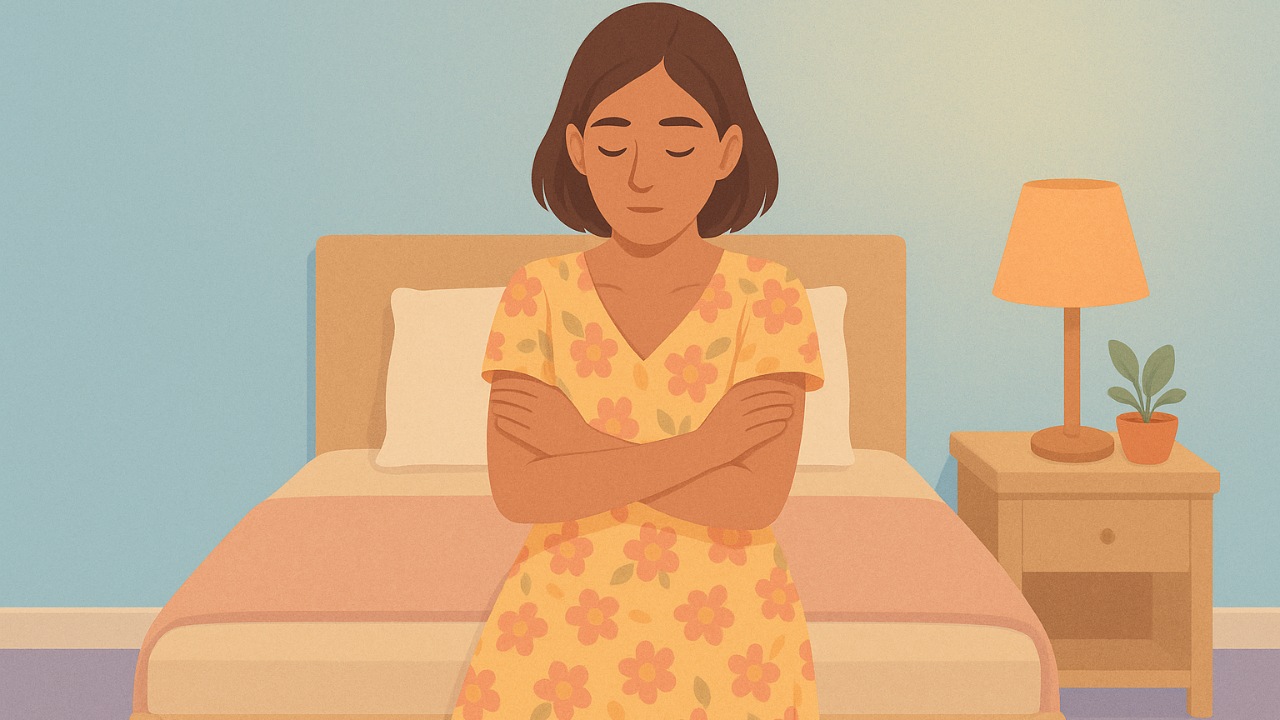
2. Arm Containment Hold (Self Hug)
-
Cross your arms loosely over your chest or upper belly.
-
Let your hands rest on the opposite upper arms, shoulders, or sides of your ribs.
-
Apply as much or as little pressure as feels okay.
-
If it helps, add small, slow rocking.
This gives a clear boundary when everything feels too big. Many people find it especially helpful after conflict, during emotional flashbacks, or when they feel like they could cry forever.
If you like structured how-to's, you might enjoy learning a specific version of this called the butterfly hug, which walks you step by step through a gentle self-holding pattern you can repeat.
3. Back Body Hold
-
Place one hand at the base of your skull, where your head meets your neck.
-
Place the other hand on the center of your back or around your waist.
-
Imagine your back leaning slightly into your hand, even if you are sitting against a chair.
-
Let your eyes soften, and look at something steady in the room.
This can be especially supportive when you feel small, far away, or like your body is fading out. It gives attention to the back of you, which is often ignored when we are constantly facing screens and other people.
If you have a history of dissociation, it may help to pair this with practical grounding tools that are specifically designed for moments when you feel unreal or disconnected.
When You Feel Numb, Not Panicked
Some people do not feel big fear or sadness. Instead, they feel nothing at all. Numb. Blank. Frozen. If this is you, it is not because you “don’t care.” It is often a survival response.
Self holding can still help here, but it may need to be lighter and shorter at first. Think “touch and go” rather than long, intense holds. Ten seconds. Then a break. Then another ten seconds.
If you want more ideas for reconnecting with your body when stress makes you go numb, you might relate to this gentle guide on why the body shuts down and how to slowly feel again.
The goal is not to rip off the numbness. It is to send small, steady signals of safety over time.
What To Say To Yourself While Holding
Adding a simple phrase can help your body understand the touch as safe, not threatening.
You might try:
-
“I am with myself right now.”
-
“This is a lot, and I am allowed to go slow.”
-
“My emotions are big, and I can still stay here.”
-
“I do not have to handle everything alone in this moment.”
If you like having a menu of options beyond self holding, you might appreciate this list of small, somatic exercises you can use to feel safer in your body again.
You do not need to believe the words right away. You are simply offering your nervous system another voice to listen to.
A 7-Day Gentle Self Holding Plan
Think of this as a tiny experiment, not a test you can fail.
Day 1
Try the Heart–Side Body Hold for 20–30 seconds as you sit on your bed or couch. Simply notice your hands.
Day 2
Use the Arm Containment Hold right after something slightly stressful, like reading a hard email or dealing with a small conflict. Add one phrase: “I am here.”
Day 3
Practice the Back Body Hold for one minute while looking around your space slowly. Name three objects you see.
Day 4
Choose whichever hold felt safest so far. Use it before a routine stressor, like opening your messages or starting work.
Day 5
Do a short self hold as soon as you notice signs that your nervous system is dysregulated, like racing thoughts, tight shoulders, or shallow breathing. This can pair nicely with understanding how to reset your system more broadly after trauma.
Day 6
Try a 30-second hold in a more public but still safe space, like a parked car, bathroom stall, or quiet hallway. Keep the movements subtle.
Day 7
Repeat your favorite hold twice today, at two different times. Notice any small differences in how your body responds.
If you want help mapping your own patterns and triggers as you do this, you can take the Stress Loop Quiz.
Common Sticking Points (And Gentle Fixes)
“I feel silly or dramatic.”
Your survival system cannot tell the difference between “silly” and “serious.” It only notices whether something feels safe or not. You are simply giving it safe input.
“It makes me more aware of my discomfort.”
Sometimes bringing gentle attention to the body wakes up sensations you were ignoring. If this happens, shorten the practice. You can also switch to another grounding tool for a bit and come back later.
“I want this to fix everything right now.”
It makes sense to want fast relief, especially if you have coped alone for a long time. These practices are more like slow medicine. They often work best when mixed with other supports like sleep, food, movement, and connection.
“I’m scared I’ll overdo it.”
You are allowed to keep things tiny. One to three breaths. Then stop. If you worry about pushing too hard in somatic work in general, you might find comfort in this guide about pacing and titration rather than forcing yourself through big experiences.
If your system is often overwhelmed in many areas of life, self-holding can sit alongside a bigger process of slowly building resilience instead of just surviving each wave.
FAQs
1. Are self holding techniques enough on their own?
They can be very supportive, but they are usually most powerful when combined with other nervous-system practices, daily routines, and, if available, trauma-informed support. Consider talking with a professional if you can.
2. How long should I hold each position?
Start with 20 to 40 seconds. If your body feels more settled, you can gently extend. If things feel more intense, shorten, loosen your grip, or stop.
3. What if self holding feels triggering?
This happens for some people, especially if touch has been unsafe in the past. You can back off right away. Try placing your hands on a pillow, blanket, or stuffed object instead. You might also explore other grounding tools and come back to self holding later, if at all.
4. Can I use these during or after a panic attack?
Yes, if they feel supportive. Some people like to use a containment hold as they move through the steps of grounding after a panic episode.
Always listen to your body. You are allowed to change or stop.
5. Is this a form of therapy?
No. These are nervous-system-informed self care tools, not a replacement for therapy, medication, or medical care. They can sit alongside those supports.
6. What if I forget to use these in the moment?
That is very normal. You might start by practicing when you are only mildly stressed, so your body learns the pattern before the big storms hit.
More Gentle Reads
If you want to keep building a sense of safety in your body, you might like:
- How to Widen Your Window of Tolerance
- 5 Simple Somatic Exercises to Feel Safe Again
- How to Build a Personal Safety Kit for Your Nervous System
Disclaimer: This article is educational and not medical advice. If you have health concerns, consider speaking with a qualified professional.
Discover Your Vagal Tone
Find out how dysregulated your nervous system is and get your personalized roadmap to feeling calm, energized, and in control