The Best Time Of Day To Train Your Vagal Tone
Some days your body wakes up already braced. Other days the heaviness arrives by mid-afternoon. You are not doing anything wrong. A sensitized nervous system often shifts throughout the day, and your vagus nerve responds to those shifts like weather patterns. There is no single perfect window, only moments when your system is more reachable and less defended.
If you want to understand where your stress pattern sits right now, you can take the Stress Loop Quiz. It often clarifies which part of the day needs the most care.
Featured Snippet-Style Answer
Most people find that morning or early afternoon are the easiest times to train vagal tone. These windows often provide more internal space before stress stacks up. Morning practice can help set your baseline, while midday cues may interrupt overwhelm before it climbs. Evening sessions can also be supportive, especially for downshifting, but some bodies become overstimulated at night. The best time is the moment your system feels open enough to respond rather than pushed.
Why Timing Matters
Your vagus nerve listens to everything. Sleep depth, emotional load, blood sugar, tension, and even the tone of your morning routine all shape how available your system is.
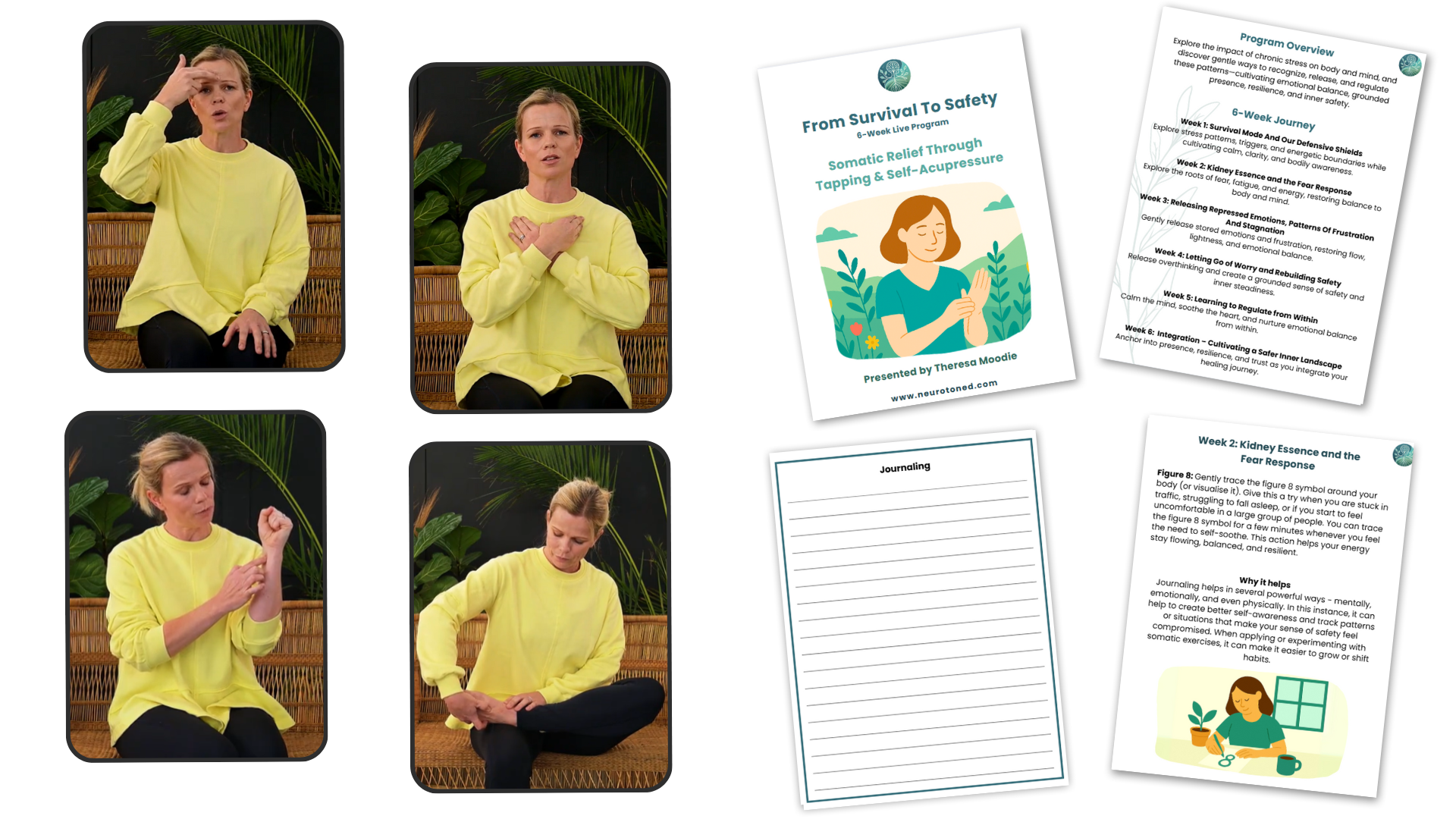
If your mornings feel chaotic or your evenings feel buzzy, you are not alone. Many people discover a better rhythm only after experimenting. Gentle daily resets can help your body find steadier ground, like this small practice that many people use when things feel overwhelming.
Morning: A Grounding Start Before Stress Accumulates
Morning can feel like a cleaner slate. Your system has not yet absorbed the day’s interactions, decisions, or spinning thoughts. For many bodies, this is when vagal tone is easiest to access.
A soft, realistic morning sequence:
1. Orient to the room
Let your gaze settle on a few calming or neutral objects. This keeps the practice from feeling forced, similar to this gentle orienting approach many people use to feel more present.
2. Try a slow inhale and an easy exhale
Do not aim for big, structured breathing. Some people feel more anxious with deeper breaths, and if that happens to you, this explanation may help.
3. Add a tiny vagal cue
Humming, soft neck movement, or gentle tapping. You do not need intensity. Small is enough. Many people pair this with simple vagus-nerve-friendly breathing tools that feel safe even when the system is tender.
If your mornings are anxious, you are not broken. Your baseline may just need a slower warmup.
Take the Stress Loop Quiz if you want a clearer map of what your mornings are trying to tell you.
Midday: Interrupting the Climb
Stress tends to peak when decision fatigue sets in. Midday vagal support can reduce the overall load and help prevent the evening crash.
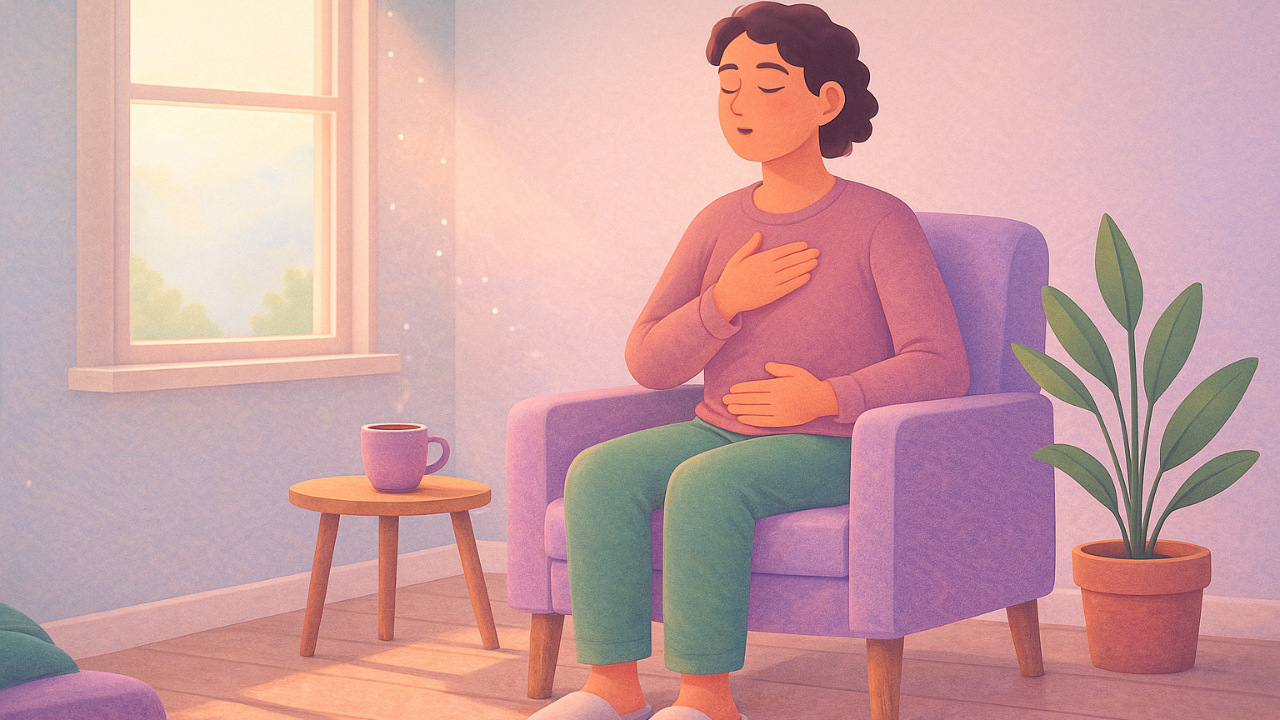
A few breaths with longer, softer exhales. A gentle hum. A quiet moment with your hand on your chest. Small things shift the trajectory. You can also borrow ideas from this simple guide on improving vagal tone naturally, especially when anxiety is high.
If your body feels numb or checked out at this time, start with movement instead of breath. Rocking, shaking out your hands, or loosening your shoulders can give your system the signal that it is safe to return.
Evening: Helpful For Downshifting, Not Always For Toning
Evening vagal practice can be soothing, especially after a demanding day. But some bodies get activated at night, especially after trauma or chronic stress.
Evening practice may help if:
- Your body feels tired but wired
- You want a gentle landing before sleep
- You struggle to turn off mental noise
It may feel too activating if:
- Your heart becomes jumpier
- Your mind speeds up
- Your system feels restless
If this happens, shift from toning to simple safety cues. Hand to chest. Warm light. Slow orienting around the room. These practices fit well with this kind, practical guide on resetting the nervous system after trauma.
A Simple 7-Day Timing Experiment
This plan helps you discover your ideal window:
Days 1 and 2: Try a three-minute morning practice.
Day 3: Add a two-minute midday cue.
Day 4: Rest. Let your body tell the story.
Day 5: Try only an evening downshift.
Day 6: Repeat the window that felt easiest.
Day 7: Do your best-time window again and compare how the day feels.
By the end, most people learn when their nervous system is most open to vagal work.
Common Sticking Points
“I keep forgetting.”
Pair the practice with a routine you already do. Tea. Tooth brushing. Opening your laptop.
“Even gentle cues feel like too much.”
Start with orienting or warmth. Your system may need safety before activation.
“I feel nothing.”
Numbness is a valid nervous system state. Begin with small movement or touch. You are not doing it wrong.
“Evenings overstimulate me.”
Choose morning or midday windows instead.
FAQs
Is there a best time overall?
Most people find morning or early afternoon easiest, but your system decides.
Can I practice more than once a day?
Yes. Short, gentle sessions can be more effective than long ones.
What if breathing makes me anxious?
Shift to orienting, humming, or touch-based support. Some bodies need alternatives.
Can vagal toning replace therapy or medical care?
No. It is supportive, not a replacement. If you have concerns, consider speaking with a qualified professional.
Closing
Your vagus nerve learns through repetition and kindness, not pressure. The best time is the moment your body feels even a little reachable. Try, pause, adjust. Your system will show you what works.
If you want help understanding your stress pattern, the Stress Loop Quiz can be grounding.
Disclaimer: This article is educational and not medical advice. If you have health concerns, consider speaking with a qualified professional.
More Gentle Reads
If you want to explore timing, energy patterns, and daily cycles:
- Somatic Tools for Morning Anxiety
- Evening Vagus Nerve Routine To Settle Your Body For Sleep
- How to Widen Your Window of Tolerance Daily
Discover Your Vagal Tone
Find out how dysregulated your nervous system is and get your personalized roadmap to feeling calm, energized, and in control